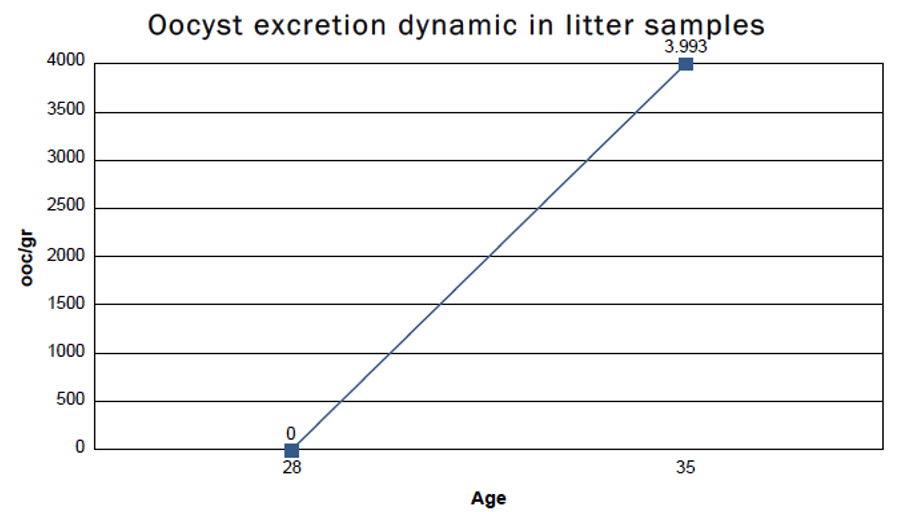
The Eimeria fingerprint: Analysing OPG curves and PCR in coccidiosis
Reliable diagnostic tools are essential for maintaining poultry health. The oocyst per gram (OPG) count and qPCR are two useful techniques to assess coccidiosis in chickens.

Reliable diagnostic tools are essential for maintaining poultry health. The oocyst per gram (OPG) count and qPCR are two useful techniques to assess coccidiosis in chickens.
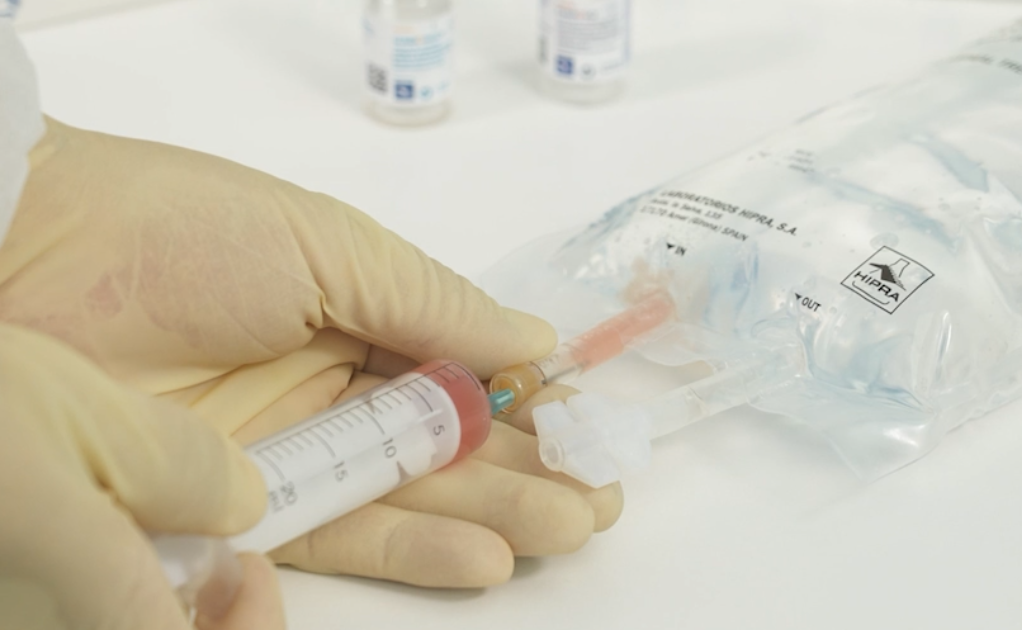
This innovative technology offers several benefits for poultry producers in the control of coccidiosis in chickens. But what does it take to properly prepare the vaccine solution for in ovo administration?
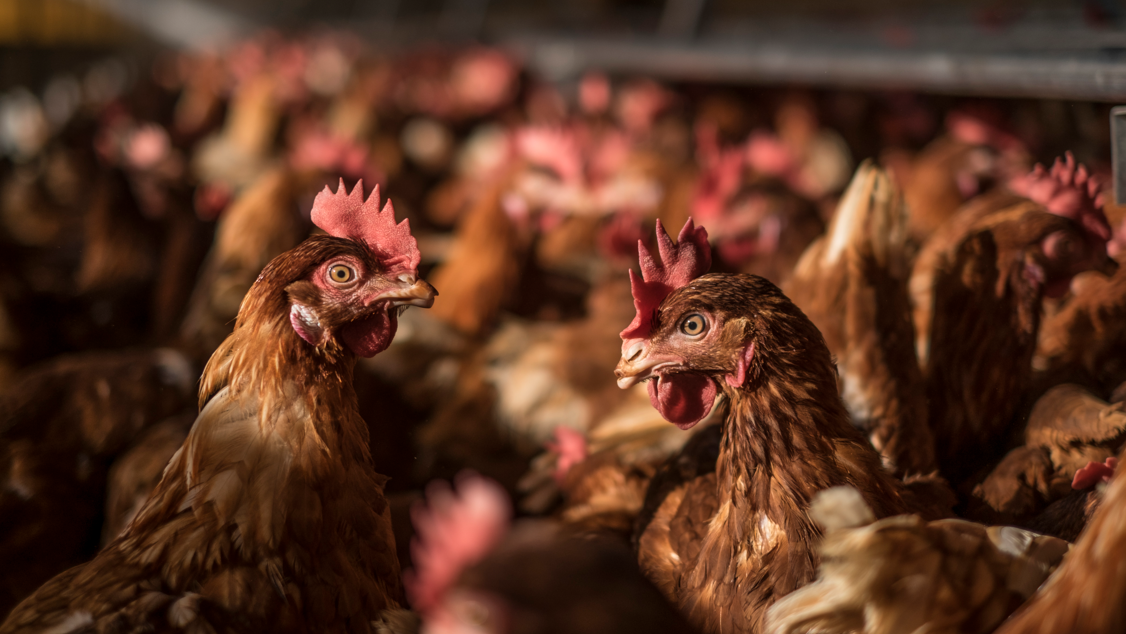
Coccidiosis is a common parasitic disease that can have a significant impact on poultry health and productivity. Despite its prevalence, many misconceptions exist about the prevention and control of this disease. It’s often thought that caged hens are less likely to get coccidiosis because they don’t have much contact with their droppings. But this is a misunderstanding.

In-ovo vaccination (IO) in commercial broilers is becoming the preferred method of vaccination in many countries. This is attributable to the advance it represents in the automation
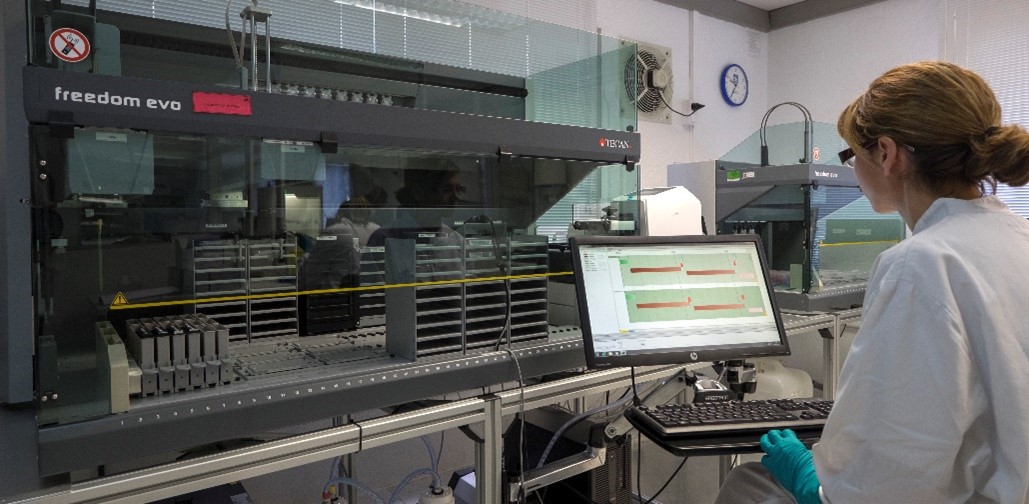
Effective monitoring and control programs are essential in the daily operations of poultry farms, playing a crucial role in the decision-making process. Globally, qualitative and quantitative diagnosis of coccidiosis methods are employed to determine the presence and level of pressure of avian coccidiosis in breeder, layer, and broiler farms.
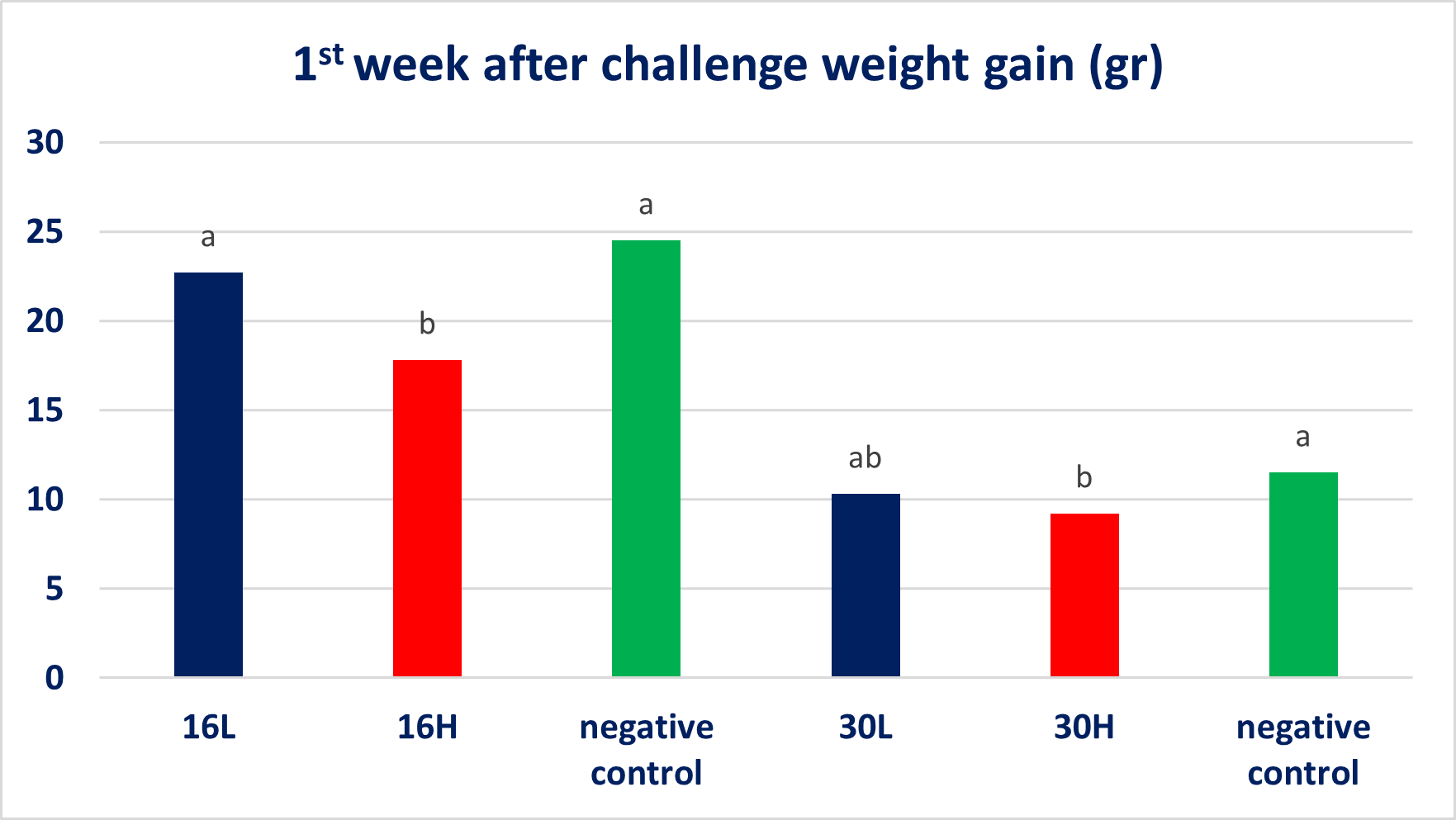
Over the last few years, the management of male breeders has acquired increased importance. Despite representing 10-12% of the farm population, males account for 50% of the fertility. Lighting, bodyweight and nutrition have been demonstrated to have a key impact on male fertility, but other challenges that represent a hazard to the bird’s health may also have an impact on this performance parameter. In this blog, we will be looking at an article1 about the effects of coccidiosis on Japanese quail performance rates.
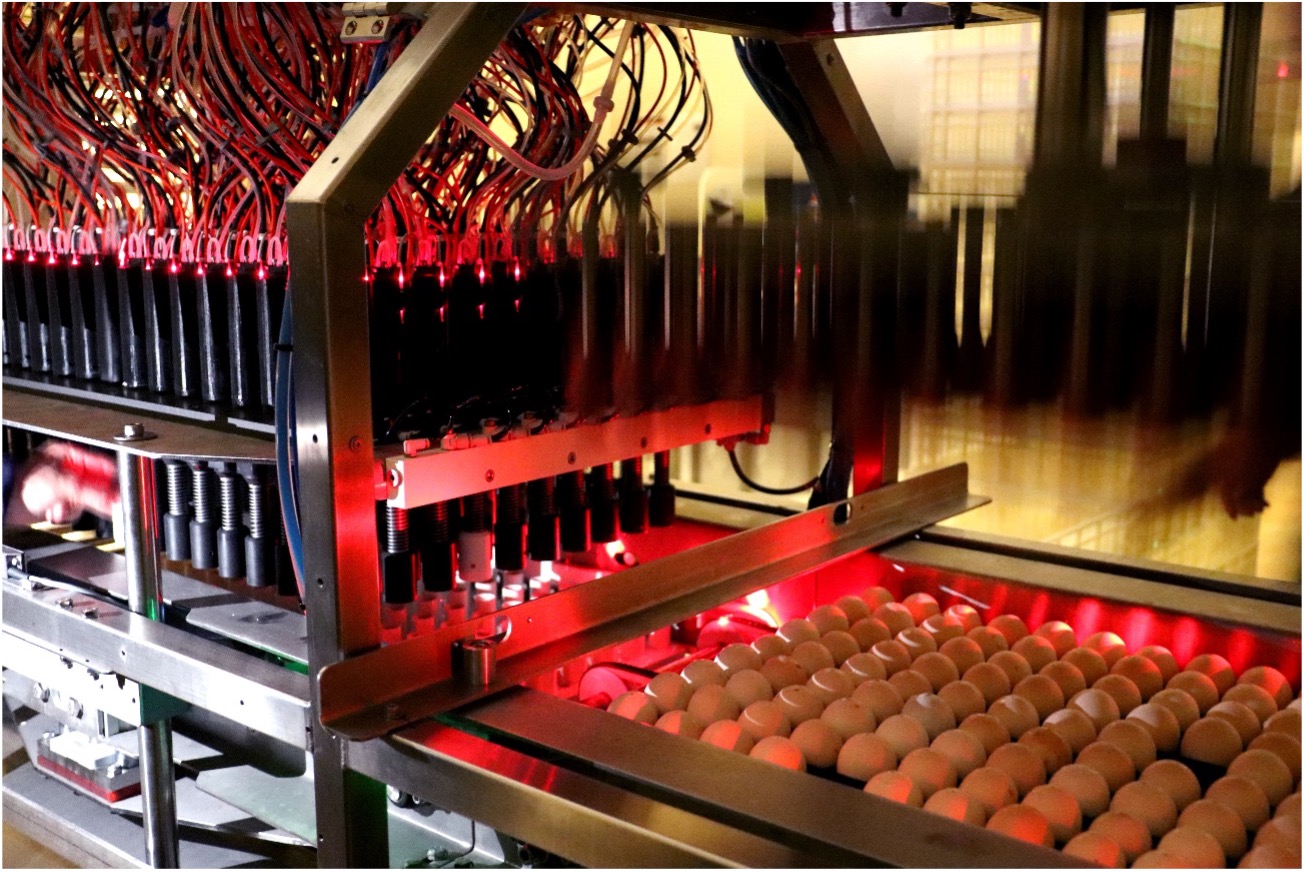
A new coccidiosis vaccine for chickens has been launched in the market, being developed specifically developed for in-ovo administration, as indicated in the Part 1
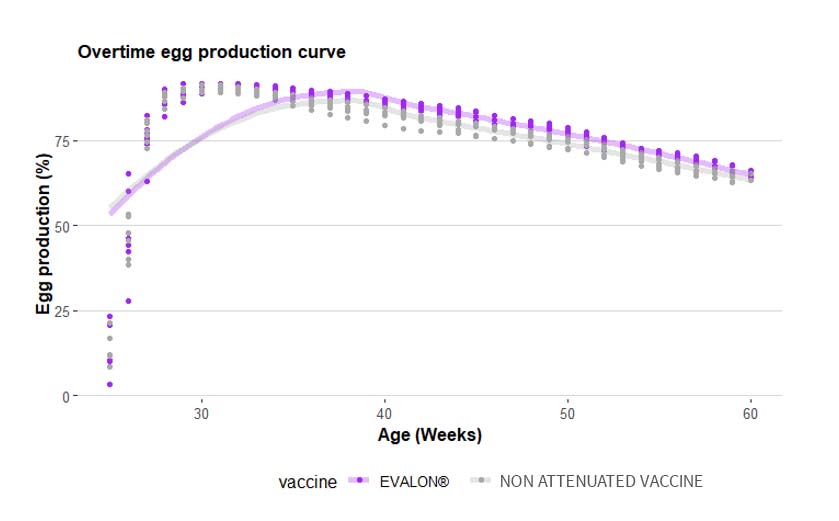
Year by year, genetics companies are moving towards more resistant and sustainable breeders, capable of producing 15 more day-old chicks per housed hen than 10
At the end of the 19th century, there was much confusion about the causative agent of coccidiosis in poultry. In 1891, two French researchers, Railliet
Immunity against coccidiosis disease is tightly linked to the parasite life cycle. It is a complex cycle, with a combination of exogenous and endogenous stages

NEWSLETTER
DON'T MISS ANY INFORMATION ABOUT THE CHALLENGE

